

Erothtos: A Journey Through Philosophy and Civilization
Erothtos, a term that intertwines with the ancient intellectual traditions, has a deep-rooted connection with early philosophical thought. The history of Erothtos stretches back to the cradle of civilization, where it began to shape the way humans perceive themselves, their world, and the universe. With its philosophical and cultural significance, Erothtos presents a timeless reflection of human intellect, curiosity, and self-awareness. This article will explore its origins, relevance in historical contexts, and its impact on modern-day philosophical thought.
- The Origins of Erothtos
- The Evolution of Erothtos in Philosophy
- Erothtos and Its Influence on Modern Thought
- Erothtos in the Context of Ethics and Morality
- Practical Applications of Erothtos in the Modern World
- Erothtos in the Digital Age
- FAQs About Erothtos
- What is the meaning of Erothtos?
- How has Erothtos evolved over time?
- Why is Erothtos important in philosophy?
- Can Erothtos be applied in daily life?
- How does Erothtos relate to modern science and technology?
- Conclusion
The Origins of Erothtos
Erothtos traces its origins to ancient civilizations, notably in Greek and Mesopotamian cultures. While the exact term may not have been widely used in ancient times, the concept it represents has been a focal point for many early philosophical thinkers. Philosophers like Socrates, Plato, and Aristotle subtly referenced the ideas embedded within Erothtos through their discussions on knowledge, existence, and human purpose.
The word itself is believed to stem from ancient linguistic roots, with connotations linked to inquiry, understanding, and the pursuit of deeper knowledge. This pursuit of wisdom formed the foundation of much early intellectual inquiry, where the term was later formalized in written philosophical traditions.
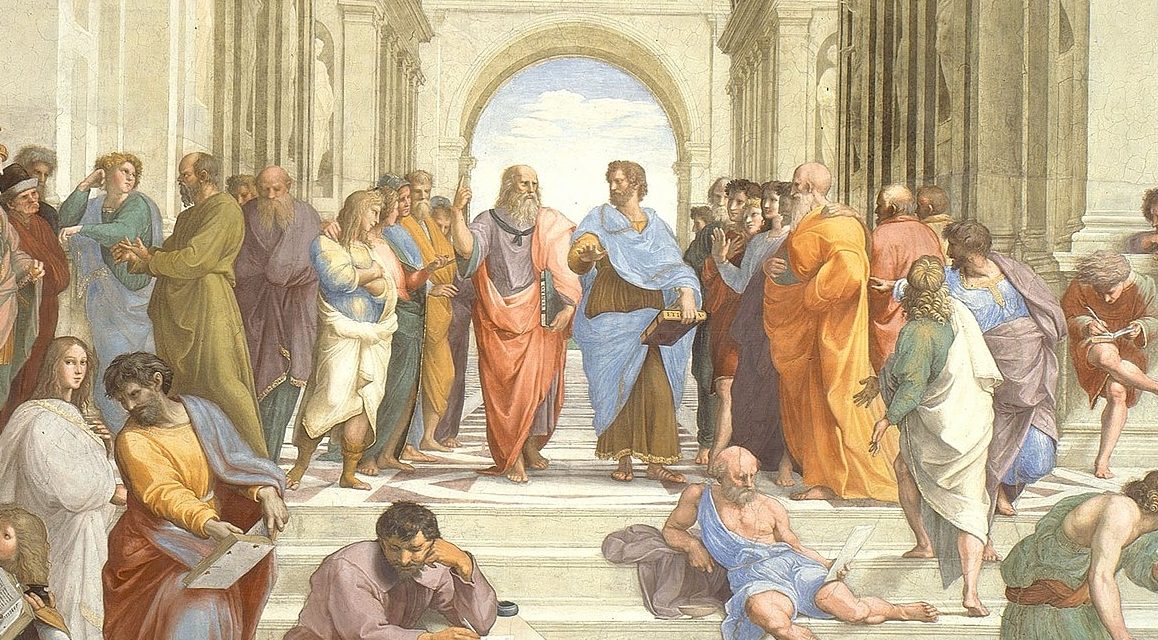
Source:Greek News Agenda
The Evolution of Erothtos in Philosophy
Throughout history, the concept of Erothtos evolved from being a simple form of intellectual curiosity to a central tenet in philosophical discourse. In ancient Greece, it was often discussed in the context of dialectical reasoning—where the aim was to question, probe, and seek greater understanding. Socratic questioning, known for its critical approach to knowledge, reflects this pursuit perfectly. This method would later inspire a rich tradition of logical and ethical inquiry, laying the groundwork for modern philosophical thinking.
Also Read:Konversky: Revolutionizing Digital Communication with Cutting-Edge Technology
In the Middle Ages, theologians such as Augustine and Aquinas contributed to the development of Erothtos by applying it within the framework of Christian philosophy, intertwining it with moral and spiritual considerations. They posited that the quest for deeper understanding was not just intellectual, but also linked to one’s spiritual journey, a theme that resonates with Erothtos’ evolution.
Erothtos and Its Influence on Modern Thought
In the modern world, the legacy of Erothtos continues to shape the way we think about knowledge and understanding. With the rise of the scientific revolution, the term took on new dimensions, especially in the context of empirical inquiry. Thinkers like Immanuel Kant, Friedrich Nietzsche, and later, existentialists, expanded on earlier notions of Erothtos by challenging traditional assumptions about human nature, existence, and knowledge.
Kant’s work on epistemology, for instance, asks critical questions about how we come to understand the world, a fundamental aspect of Erothtos. The existentialist perspective, with its emphasis on individual choice, meaning, and authenticity, also draws heavily from these ancient concepts.
Today, Erothtos can be seen as an underpinning of not only philosophical discourse but also scientific and psychological inquiry. Modern thinkers in fields like cognitive science and neuroscience build upon the pursuit of knowledge by diving deeper into the way humans process information, perceive reality, and explore the mind.
Erothtos in the Context of Ethics and Morality
Ethics, one of the core branches of philosophy, finds a close relationship with the concept of Erothtos. As individuals seek to understand the nature of good and evil, right and wrong, the term reflects the inquiry into the moral fabric of human existence. Ancient philosophers like Aristotle tied Erothtos with the idea of virtue ethics—seeking wisdom and moral understanding to live a good life.
Also Read:LeahRoseVIP: A Comprehensive Guide to the Ultimate VIP Community
In contemporary ethics, the term has found its place in discussions about moral relativism, universal truths, and ethical decision-making. Philosophers today continue to examine how the pursuit of understanding, knowledge, and self-awareness influences moral judgment and action, reflecting the long-standing influence of Erothtos on ethics.
Practical Applications of Erothtos in the Modern World
The principles embodied in Erothtos can be applied to modern-day practices in several domains. In education, for instance, the pursuit of knowledge and understanding is central to both the teaching and learning processes. Erothtos encourages a critical approach to education—asking questions, examining assumptions, and seeking deeper insights into subject matter, thus shaping the way curricula and pedagogy are designed.
In leadership and decision-making, Erothtos plays a pivotal role in encouraging individuals to seek understanding and make informed decisions. Leaders today draw from the rich history of philosophical inquiry, ensuring that their decisions are based on sound judgment and ethical principles. By seeking wisdom and understanding, leaders can navigate complex situations more effectively.
Moreover, the scientific method itself is based on the very principles of inquiry and discovery that define Erothtos. Modern science is grounded in the need to ask the right questions and challenge existing paradigms, something that ancient philosophers set the stage for with their intellectual explorations.
Also Read:Thestoogelife: A Philosophy of Joy, Absurdity, and Playfulness
Erothtos in the Digital Age
The digital revolution has opened new doors for the application of Erothtos in contemporary times. With the vast amount of information available at our fingertips, the pursuit of knowledge has never been more accessible. However, this also means that critical thinking, the cornerstone of Erothtos, is more important than ever. In an age where misinformation can spread rapidly, it is essential to maintain a skeptical and inquisitive approach—just as ancient philosophers did—to navigate the digital landscape.
Furthermore, the rise of artificial intelligence and machine learning prompts new questions that align with the principles of Erothtos. As we push the boundaries of what machines can do, we must constantly ask questions about their capabilities, limitations, and ethical implications, all of which reflect the enduring legacy of Erothtos in the modern world.
FAQs About Erothtos
What is the meaning of Erothtos?
Erothtos refers to the pursuit of deep understanding, wisdom, and knowledge. The term traces its origins to ancient philosophical thought, where intellectual curiosity and questioning were seen as vital to human growth.
How has Erothtos evolved over time?
Originally linked to philosophical inquiry, Erothtos has evolved to shape modern thought across various fields, including ethics, leadership, science, and education. Its principles continue to influence contemporary discussions on knowledge, morality, and understanding.
Why is Erothtos important in philosophy?
Erothtos represents the intellectual pursuit that drives philosophical inquiry. It encourages individuals to ask questions, challenge assumptions, and deepen their understanding of the world around them, which is fundamental to philosophical exploration.
Can Erothtos be applied in daily life?
Yes, Erothtos can be applied to personal decision-making, education, and leadership. Its principles encourage critical thinking, moral reflection, and the pursuit of knowledge in all aspects of life.
How does Erothtos relate to modern science and technology?
In the context of modern science and technology, Erothtos encourages continual questioning and discovery. The principles of inquiry and exploration are foundational to scientific progress and the development of new technologies.
Conclusion
Erothtos is a timeless concept that has shaped the trajectory of human thought for millennia. From its roots in ancient civilizations to its relevance in contemporary times, it continues to influence the way we approach knowledge, ethics, and understanding. By embracing the principles of Erothtos, individuals can cultivate a deeper awareness of the world and navigate the complexities of modern life with greater insight and wisdom. As we look to the future, the spirit of inquiry that Erothtos embodies will remain a guiding force in our intellectual and moral development.
editor's pick
latest video

news via inbox
Nulla turp dis cursus. Integer liberos euismod pretium faucibua