Assimilasjon: Understanding Cultural Integration in Modern Society
Assimilasjon, or assimilation, is a concept that plays a crucial role in shaping the dynamics of societies around the world. It is the process by which individuals or groups from one culture adjust and integrate into the cultural norms, values, and behaviors of another society. In a world increasingly marked by globalization, understanding the concept of assimilasjon is more important than ever. This article will dive deep into the concept of assimilasjon, its implications, and its relevance in today’s world.
- What is Assimilasjon?
- How Does Assimilasjon Happen?
- 1. Cultural Exposure
- 2. Adapting to New Norms
- 3. Gradual Integration
- 4. Identity Shifts
- 5. Cultural Retention or Loss
- Assimilasjon vs. Acculturation: Key Differences
- The Benefits and Challenges of Assimilasjon
- The Role of Government and Society in Assimilasjon
- FAQs About Assimilasjon
- Is assimilation necessary for successful integration?
- Does assimilation lead to the loss of cultural identity?
- How long does the assimilation process take?
- Can assimilation happen without language fluency?
- Is assimilation a voluntary or forced process?
- Conclusion: Understanding Assimilasjon in the Modern World
We will explore how individuals adapt to new societies, the challenges they face, and how assimilation can lead to both positive and negative outcomes. We’ll also discuss the difference between assimilation and other cultural processes like acculturation and integration, shedding light on this often complex process.
What is Assimilasjon?
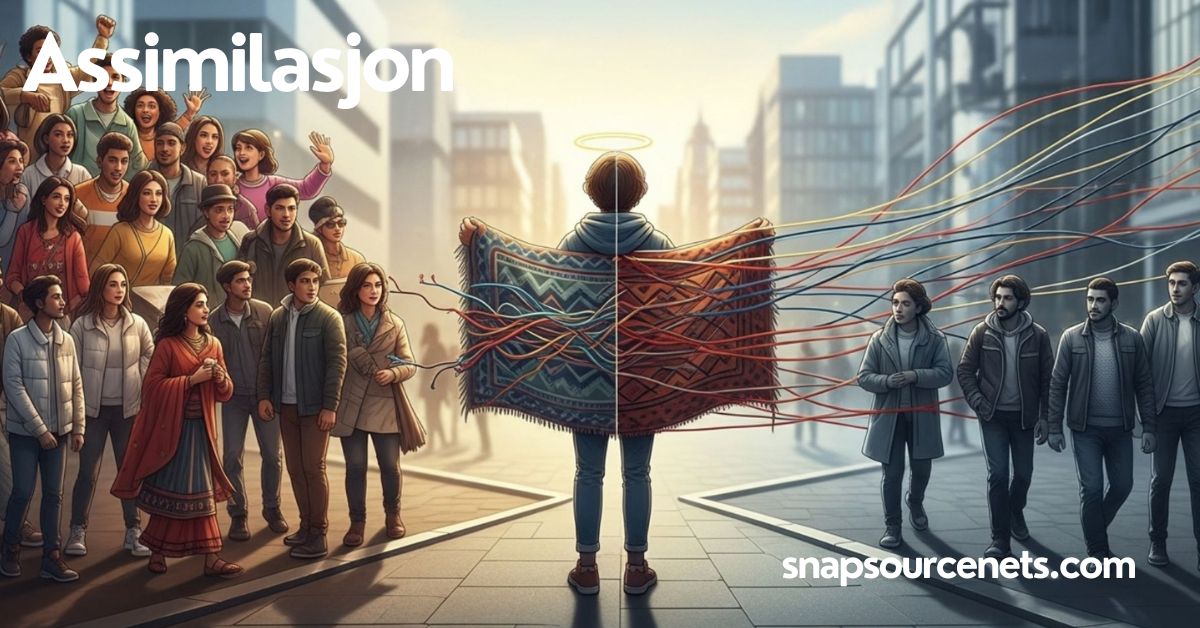
At its core, assimilasjon refers to the process of becoming part of a different cultural group. This process is not only about learning a new language or adopting new customs; it involves a complete transformation of identity in some cases. The term assimilasjon is often used in the context of migration, where immigrants or minorities take on the cultural attributes of the dominant group in society.
Assimilasjon is most commonly discussed in terms of immigrants trying to adjust to the host country’s way of life. For example, when someone moves from India to the United States, they may begin to adopt American cultural practices, from language to food habits and even social norms. Over time, the individual may internalize these practices, potentially leading them to feel that they belong to the new society, both socially and psychologically.
However, assimilation doesn’t always mean complete transformation. Some people may integrate certain cultural practices while maintaining their own unique identity. This is one of the more debated aspects of assimilasjon.
How Does Assimilasjon Happen?
Assimilasjon is a process that can unfold over time and involves various stages. Let’s break down these stages to better understand the mechanisms behind assimilation.
1. Cultural Exposure
The first step in the process of assimilasjon is exposure to the new culture. Immigrants are often introduced to the host society’s language, customs, social norms, and values. This exposure might come from formal education, workplace environments, social interactions, or media.
2. Adapting to New Norms
After exposure comes the adaptation phase. Immigrants start to understand and internalize the customs of their new society. This might involve learning the language, adapting to different ways of thinking, and modifying social behaviors. For instance, people may begin to understand how to communicate appropriately in their new environment, such as understanding indirect forms of politeness in American society.
Also Read: Ecryptobit.com Wallets: A Comprehensive Guide to Secure, User-Friendly Cryptocurrency Storage
3. Gradual Integration
Assimilasjon often happens gradually. The initial challenges of understanding a new culture fade as individuals continue to adapt. They begin to form relationships and networks within their new community. These connections, whether personal or professional, provide support for further integration.
4. Identity Shifts
In some cases, individuals may experience a shift in their identity. They may start identifying more with the dominant culture rather than the one they were originally from. This can be a complex emotional experience, as it involves reconciling past and present identities.
5. Cultural Retention or Loss
While some individuals fully adopt the practices of the dominant culture, others may maintain their original culture while integrating into society. This is where assimilation and acculturation (the exchange of cultural traits between two groups) differ. Assimilasjon focuses on adopting the dominant culture’s practices entirely, while acculturation allows for a mixture of both cultures.
Assimilasjon vs. Acculturation: Key Differences
It’s essential to distinguish between assimilation and acculturation, as they are often used interchangeably but are not the same.
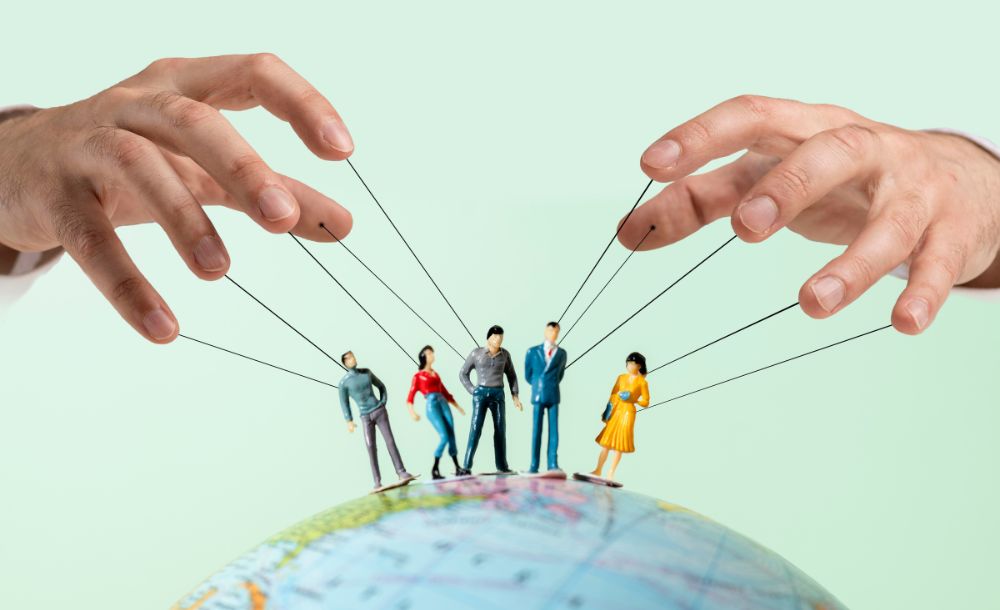
- Assimilation refers to a one-way process where individuals or groups are expected to adopt the culture, values, and norms of the dominant society, sometimes at the cost of their original identity.
- Acculturation, on the other hand, involves a two-way exchange where both groups influence each other’s cultural practices. Immigrants may adopt aspects of the dominant culture while also influencing the host society with their own cultural practices.
While both processes involve cultural exchange, assimilation is often more closely tied to the idea of cultural conformity, whereas acculturation celebrates cultural diversity and mutual adaptation.
Also Read:The Mystery of Lebhtes: Exploring the Creative, Innovative Digital Identity
The Benefits and Challenges of Assimilasjon
Assimilasjon comes with its own set of benefits and challenges, both for individuals and society.
Benefits
- Social Cohesion
Assimilasjon can lead to stronger social cohesion by creating a shared cultural identity. When individuals from different backgrounds adopt similar norms, values, and behaviors, it can foster unity and reduce divisions between groups. - Economic Opportunities
By assimilating into the host society’s economy and labor market, immigrants can access better job opportunities, improve their living standards, and contribute to the economic growth of the society. - Personal Growth
Adapting to a new culture can be a transformative experience. Immigrants often gain new perspectives on life, which can help in personal growth and development. This broader worldview can help individuals become more adaptable and resilient.
Challenges
- Loss of Cultural Identity
One of the main criticisms of assimilasjon is the potential loss of one’s original cultural identity. Immigrants may feel torn between their old and new cultures, struggling to preserve aspects of their heritage while integrating into the dominant culture. - Discrimination and Exclusion
Assimilation is often a one-sided expectation from the dominant society, and many immigrants face challenges in fully integrating. Discrimination, xenophobia, and prejudice can create barriers, making the process of assimilasjon much harder for certain groups. - Social Isolation
In some cases, immigrants who struggle with the assimilation process may experience social isolation. Without strong connections to either their home country or the host society, they may feel alienated and disconnected.
Also Read:FREHF: Revolutionizing Digital Interactions with Human-Centered Technology
The Role of Government and Society in Assimilasjon
The role of governments and society is critical in the assimilation process. Governments can promote or hinder assimilation based on their policies towards immigration, multiculturalism, and inclusion.
- Inclusive Policies
Governments that adopt inclusive policies can encourage the integration of immigrants. These might include offering language courses, facilitating access to public services, and fostering a welcoming environment for cultural diversity. - Multiculturalism vs. Assimilation
Some societies emphasize multiculturalism, where diversity is celebrated, and individuals are encouraged to retain their cultural identities while integrating into society. In contrast, other societies may favor assimilation, where immigrants are expected to adopt the culture of the dominant group. Both approaches have their strengths and weaknesses, and the balance between them can affect the success of assimilation.
FAQs About Assimilasjon
Is assimilation necessary for successful integration?
While assimilation can lead to successful integration, it is not always necessary. Some individuals or communities thrive by adopting only parts of the dominant culture while maintaining their own cultural identity. It depends on individual goals and societal context.
Does assimilation lead to the loss of cultural identity?
In some cases, yes. Assimilation may require individuals to abandon certain cultural practices to conform to the dominant culture. However, it’s possible to integrate without completely losing one’s cultural identity, especially if the society embraces multiculturalism.
How long does the assimilation process take?
The duration of assimilation varies depending on several factors, including the individual’s willingness to adapt, their background, the support systems available, and the host society’s openness. It can take anywhere from a few months to several years.
Can assimilation happen without language fluency?
While language is a key component of assimilation, it is possible to integrate into a society without perfect fluency. However, being able to communicate effectively in the host country’s language is typically important for social and professional integration.
Is assimilation a voluntary or forced process?
Assimilation can be both voluntary and forced. Some immigrants choose to assimilate for better economic opportunities and social acceptance, while others may feel pressured by societal expectations.
Conclusion: Understanding Assimilasjon in the Modern World
Assimilasjon, or assimilation, is a complex and multifaceted process that shapes how individuals and groups adapt to new cultural contexts. While the process can bring about positive changes, such as increased social cohesion and personal growth, it also comes with challenges, including potential loss of cultural identity and discrimination. Governments and societies play a significant role in facilitating or hindering the process, and a balance between assimilation and multiculturalism can lead to more inclusive societies.
As globalization continues to increase, understanding the intricacies of assimilation is essential. It helps us navigate cultural differences and build more inclusive, cohesive communities, both at the individual and societal levels.
By approaching assimilation with a broader, more inclusive lens, we can ensure that everyone has the opportunity to integrate and thrive while maintaining their unique cultural identities.
editor's pick
latest video

news via inbox
Nulla turp dis cursus. Integer liberos euismod pretium faucibua