Cevurı: A Deep Dive into Turkey’s Beloved Dish
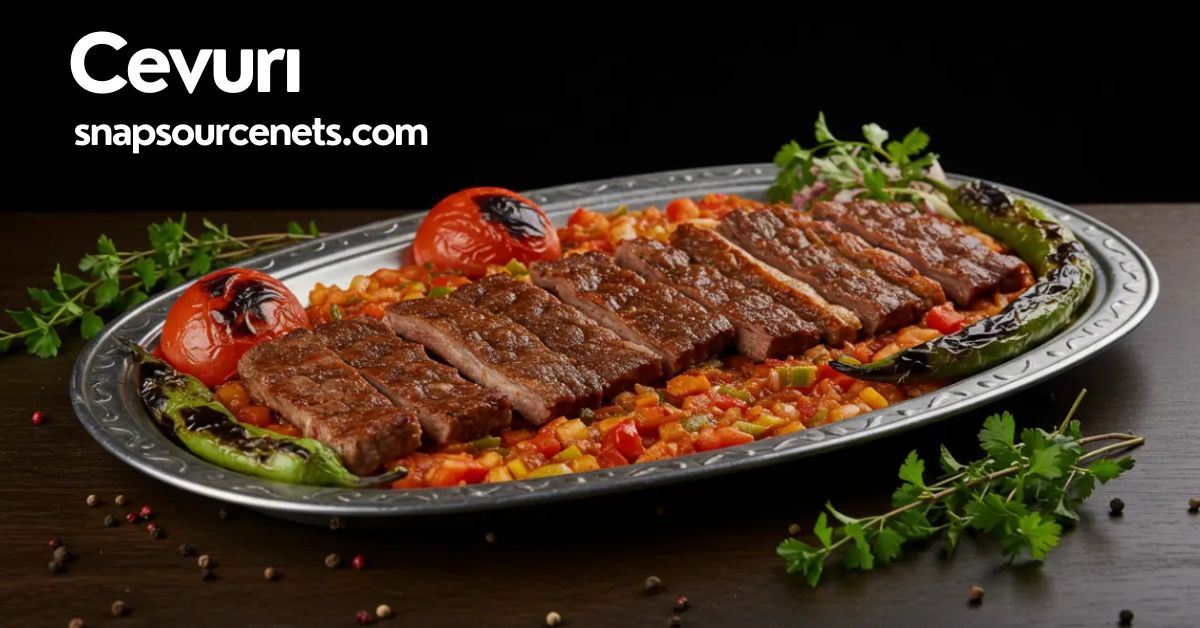
Cevurı is a unique and beloved Turkish dish that has captured the hearts of many food enthusiasts. A flavorful combination of meat, vegetables, and a variety of spices, Cevurı reflects Turkey’s rich culinary traditions. Its history, preparation, and regional variations make it a dish worth exploring. In this article, we will dive deep into everything you need to know about Cevurı—from its origin to health benefits, and how to make it at home. This comprehensive guide aims to not only introduce you to the flavors of Cevurı but also to explain its importance in Turkish culture.
- What is Cevurı?
- The Origins and History of Cevurı
- Key Ingredients in Cevurı
- How Cevurı is Prepared: Step-by-Step Guide
- Regional Variations of Cevurı
- 1. Central Anatolia: Rich and Hearty
- 2. Aegean Region: Lighter and Fresher
- 3. Mediterranean: A Splash of Olive Oil
- Health Benefits of Cevurı
- Cevurı in Turkish Culture: More Than Just Food
- FAQs About Cevurı
- What other meats can be used in Cevurı besides lamb?
- Can Cevurı be made vegetarian?
- What is the best way to serve Cevurı?
- Can Cevurı be stored for later?
- Conclusion
What is Cevurı?
Cevurı is a traditional Turkish dish that often consists of tender meat (usually lamb, beef, or chicken) cooked with a medley of fresh vegetables and seasoned with aromatic spices. It’s often enjoyed as a main course in family meals or served during special gatherings. The simplicity of its ingredients, coupled with the depth of flavors, is what makes Cevurı so appealing.
The dish is characterized by its robust taste, where the meat is slowly simmered to retain its juiciness, while the vegetables add texture and freshness. The spices used in Cevurı can vary, but cumin, paprika, and garlic are commonly found in many recipes.
The Origins and History of Cevurı
Cevurı has deep roots in Turkish culinary history. It is believed to have originated in the central Anatolian region, known for its rich agricultural practices and diverse cuisine. The word “cevurı” itself is linked to the process of cooking meat and vegetables together, allowing flavors to meld over time. This method of cooking is common in many Turkish dishes, where stewing or simmering enhances the depth and complexity of the meal.
In the past, Cevurı was often cooked in large communal pots, where the dish could be served to large groups of people. This communal aspect reflects the Turkish culture of sharing meals, where food serves as a means of bringing people together.
Also Read: Bynethi com: Your Ultimate Guide to Simple Lifestyle Tips, Wellness, and Practical Knowledge
Key Ingredients in Cevurı
The core ingredients of Cevurı revolve around fresh, local produce and high-quality meat. Let’s break down some of the most common components of the dish:
1. Meat
The meat used in Cevurı is typically lamb, beef, or chicken. The choice of meat depends on the region and personal preferences. Lamb is particularly favored for its tenderness and flavor. The meat is usually cut into bite-sized pieces, allowing it to absorb the spices and cook evenly.
2. Vegetables
Cevurı is a vegetable-heavy dish, with common additions including tomatoes, peppers, onions, and garlic. The combination of these vegetables contributes to the dish’s rich flavor profile. In some variations, potatoes, carrots, and eggplants might also be included, depending on the region.
3. Spices
The seasoning of Cevurı plays a significant role in defining its flavor. Common spices include:
- Cumin: This spice adds warmth and earthiness to the dish.
- Paprika: Sweet or hot, paprika adds depth and a slight smokiness.
- Garlic: Garlic enhances the dish’s savory notes, contributing richness.
- Salt and pepper: These basic seasonings are used to balance the flavors.
Other spices like thyme, bay leaves, and chili flakes can also be added to taste.
How Cevurı is Prepared: Step-by-Step Guide
Cevurı is a dish that requires patience and careful preparation. Here’s a simple step-by-step guide to making this flavorful dish at home.
Ingredients
- 1 lb of lamb (or beef/chicken), cut into cubes
- 2 medium-sized onions, chopped
- 2 tomatoes, chopped
- 2 bell peppers, sliced
- 3 cloves of garlic, minced
- 2 tbsp of olive oil
- 1 tsp cumin
- 1 tsp paprika (sweet or hot)
- Salt and pepper, to taste
- 1 cup of water or broth
- Fresh parsley, for garnish
Instructions
Also Read: DGH A: Enhancing Organizational Efficiency Through Data-Driven Decision-Making
- Prepare the Meat: Begin by heating olive oil in a large pan over medium heat. Add the meat cubes and brown them on all sides until they are fully seared.
- Cook the Vegetables: Once the meat is browned, add the onions, garlic, and peppers to the pan. Sauté for about 5 minutes until the vegetables soften.
- Add Tomatoes and Spices: Stir in the chopped tomatoes, cumin, paprika, salt, and pepper. Allow the tomatoes to release their juices and simmer for another 5 minutes.
- Simmer: Add water or broth to the pan, covering the ingredients. Reduce the heat to low and cover the pan. Let it simmer for 30 to 45 minutes, or until the meat is tender and the flavors have melded together.
- Final Touches: Check the seasoning and adjust if needed. Garnish with fresh parsley before serving.
This simple yet flavorful recipe will give you a taste of traditional Cevurı in just a few easy steps!
Regional Variations of Cevurı
Cevurı may have a core set of ingredients, but as with many traditional dishes, its preparation varies across Turkey. Each region has its own twist on the dish, influenced by local ingredients, traditions, and cultural practices.
1. Central Anatolia: Rich and Hearty
In the heart of Turkey, where the dish originated, Cevurı is made with lamb and is often slow-cooked for several hours. It is common for this version to include a variety of root vegetables, such as carrots and potatoes, which help create a more substantial meal.
2. Aegean Region: Lighter and Fresher
In the Aegean region, Cevurı is typically lighter. Chicken is more commonly used as the main protein, and the dish is often paired with fresh seasonal vegetables like zucchini and eggplant. This version focuses on letting the natural flavors of the vegetables shine through.
3. Mediterranean: A Splash of Olive Oil
In Turkey’s southern Mediterranean regions, Cevurı is often made with a generous amount of olive oil. Here, the dish tends to be slightly more oily, with a rich, smooth texture. The use of Mediterranean herbs such as thyme and oregano is also common, adding fragrant, earthy notes.
Health Benefits of Cevurı
Cevurı is not only delicious but can also be a healthy choice when made with the right ingredients. Let’s explore some of the health benefits it offers:
1. Protein-Rich
With its meat base, Cevurı is an excellent source of protein. Protein is essential for building and repairing tissues in the body and is a vital component for maintaining muscle mass and overall health.
2. Rich in Nutrients
Cevurı includes a variety of vegetables, which contribute essential vitamins and minerals. For instance, tomatoes are rich in antioxidants like lycopene, which may help protect the body from free radicals. Peppers and onions are also packed with vitamins A and C, both of which support the immune system.
3. Healthy Fats
When prepared with olive oil, Cevurı benefits from the heart-healthy fats of the Mediterranean diet. Olive oil contains monounsaturated fats, which may reduce inflammation and lower the risk of chronic diseases such as heart disease.
Also Read: Gaymetu E – The Complete Guide to the Inclusive Gaming Revolution
Cevurı in Turkish Culture: More Than Just Food
Food in Turkey is not just about nourishment; it’s about bringing people together. Cevurı is often served during family gatherings and celebrations. Its communal nature—where everyone shares from the same pot—symbolizes unity and togetherness. Whether it’s a festive occasion or a regular family dinner, Cevurı is a dish that brings comfort and joy.
In Turkish culture, meals are an opportunity to bond, and dishes like Cevurı reflect the importance of food in fostering strong family ties and community connections. Sharing a meal is a deeply ingrained tradition in Turkey, and Cevurı perfectly captures this spirit.
FAQs About Cevurı
What other meats can be used in Cevurı besides lamb?
While lamb is the traditional choice, beef and chicken are also commonly used in Cevurı. Some people even use veal or turkey, depending on their preferences or regional variations.
Can Cevurı be made vegetarian?
Yes! A vegetarian version of Cevurı can be made by replacing the meat with hearty vegetables like mushrooms, eggplant, or tofu. Adding legumes like chickpeas or lentils can also increase the dish’s protein content.
What is the best way to serve Cevurı?
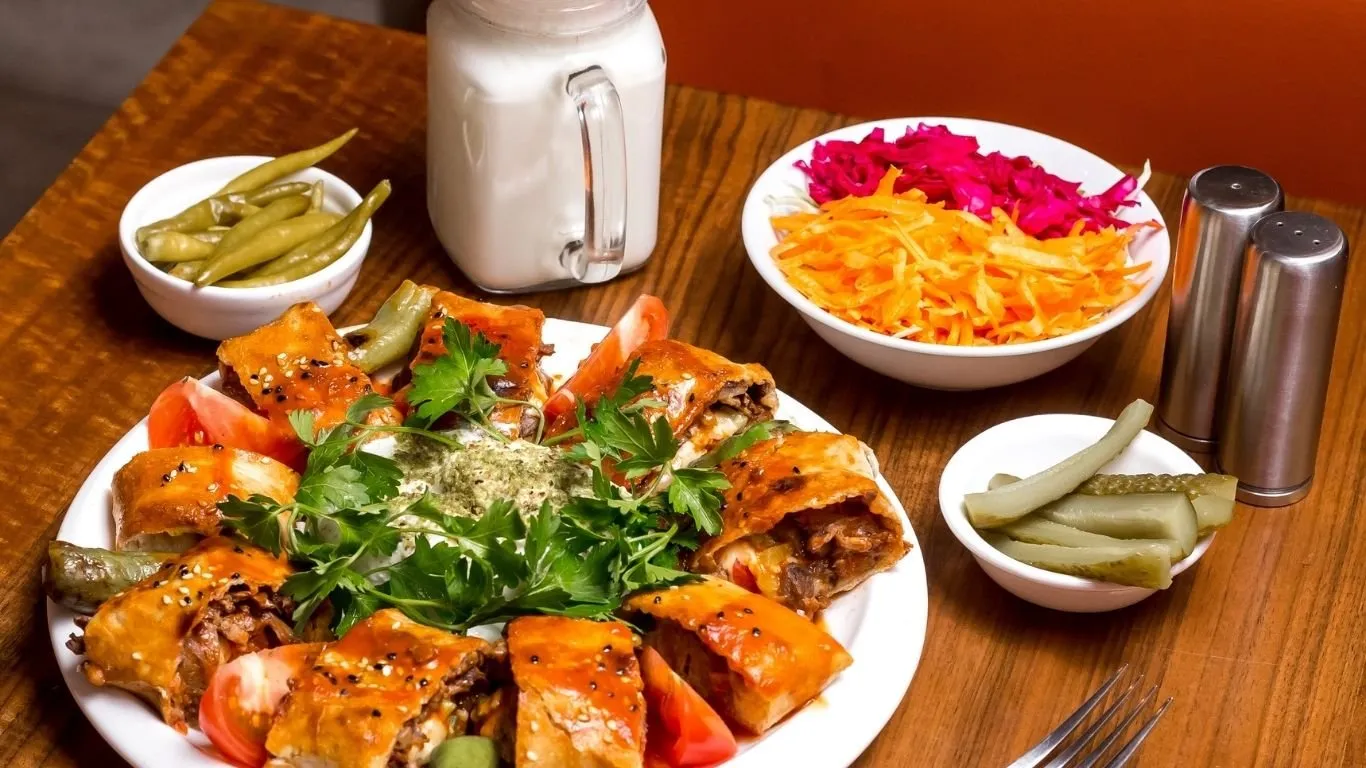
Cevurı is typically served with a side of rice or bread to soak up the rich juices. In some regions, it’s also paired with a fresh yogurt or a simple salad.
Can Cevurı be stored for later?
Yes, Cevurı can be stored in the refrigerator for up to 3 days. The flavors often deepen after sitting for a day. It can also be frozen for longer storage, making it a great dish to prepare in advance.
Conclusion
Cevurı is a testament to the richness of Turkish culinary traditions. Its combination of tender meat, fresh vegetables, and aromatic spices creates a dish that is both comforting and full of flavor. Whether you’re preparing it at home or enjoying it at a family gathering, Cevurı embodies the essence of sharing and celebrating food. With its health benefits and rich cultural significance, it’s a dish that deserves a place on your dining table. By understanding its origins, variations, and preparation methods, you’ll gain a deeper appreciation for this beloved Turkish classic.
editor's pick
latest video

news via inbox
Nulla turp dis cursus. Integer liberos euismod pretium faucibua